


Understanding the psychology of risk how it influences gambling behavior
Risk is a fundamental aspect of gambling, encapsulating the thrill and unpredictability that draw many individuals to casinos and betting platforms. The psychological allure stems from the possibility of winning significant amounts of money, which can overshadow the reality of potential losses. This dichotomy creates a complex emotional landscape where excitement and anxiety coexist, influencing players’ decisions and behaviors. Many players seek strategies for a more enjoyable experience; for instance, exploring a mobile casino can enhance convenience while navigating risks. Understanding this intrinsic nature of risk is crucial for both players and industry professionals.
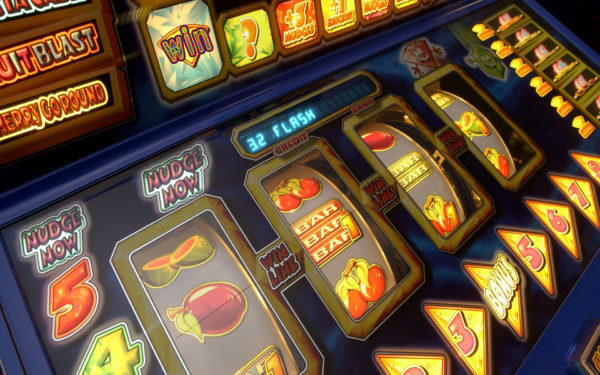
Moreover, the perception of risk varies greatly among individuals. Some may embrace high-stakes games, believing that the potential rewards justify the dangers involved, while others might gravitate toward lower-risk options, seeking a more controlled experience. This variance is often shaped by factors such as personality traits, previous gambling experiences, and even socio-economic background. Individuals who are more risk-averse might prefer games with lower volatility, finding comfort in stability rather than the uncertainty of bigger bets.
The impact of risk is further complicated by cognitive biases. For instance, the illusion of control can lead players to believe they can influence outcomes through strategy, despite the inherent randomness of games like slots or roulette. Such biases can cloud judgment, making gamblers more willing to take risks, often leading to a cycle of betting that can escalate over time. This dynamic interplay of risk and psychological perception is essential in understanding gambling behavior and its consequences.
Another key psychological factor is the role of social influences. Peer pressure and social norms can heavily sway individuals’ gambling behaviors, particularly in group settings like casinos or online gaming platforms. Gamblers often find themselves influenced by the actions and attitudes of their peers, leading to increased risk-taking behaviors. Additionally, marketing strategies employed by casinos can exploit these social dynamics, promoting a culture of risk that normalizes excessive gambling.
Lastly, emotional states significantly impact gambling decisions. Gamblers may turn to gambling as an escape mechanism during periods of stress or depression, leading to a heightened risk of problematic behavior. The emotions tied to wins and losses can create a rollercoaster effect, where players become trapped in a cycle of gambling to recover losses or to celebrate wins. Recognizing these emotional triggers is vital for developing healthier gambling habits and mitigating risks associated with gambling behaviors.
This phenomenon is evident in the behavior of “chasing losses,” where gamblers attempt to recover lost money through further betting. The mindset often leads to increased risk-taking, as individuals believe that they can outsmart the odds. This behavior illustrates a fundamental psychological conflict, as the gambler’s desire for control battles against the reality of chance. Understanding cognitive dissonance is essential for both gamblers and practitioners in the field, as it highlights the mental gymnastics involved in gambling behavior.
Additionally, the concept of sunk cost fallacy is intertwined with cognitive dissonance. Gamblers may continue to wager even when losses accumulate, driven by the belief that they must recover their previous investments. This mentality can lead to reckless behavior and heightened risks, as individuals ignore rational considerations. By recognizing these psychological patterns, gamblers can work towards making more informed and responsible decisions, ultimately reducing the negative consequences associated with gambling.
In addition, implementing self-imposed limits can significantly decrease the likelihood of problematic gambling behavior. Establishing time and financial limits encourages players to engage in gambling as a form of entertainment rather than a means of income. Tools like deposit limits, session time reminders, and self-exclusion options can aid players in maintaining control over their gambling activities. By recognizing the signs of excessive gambling, individuals can take steps to address potential issues before they escalate.
Lastly, seeking support from peers or professional organizations can also be beneficial for those struggling with gambling-related issues. Sharing experiences with others can provide valuable insights and coping strategies. Online forums and support groups offer spaces for individuals to discuss their challenges and successes openly. Engaging in these supportive communities can foster accountability and encourage a more balanced approach to gambling, ultimately enhancing overall well-being.
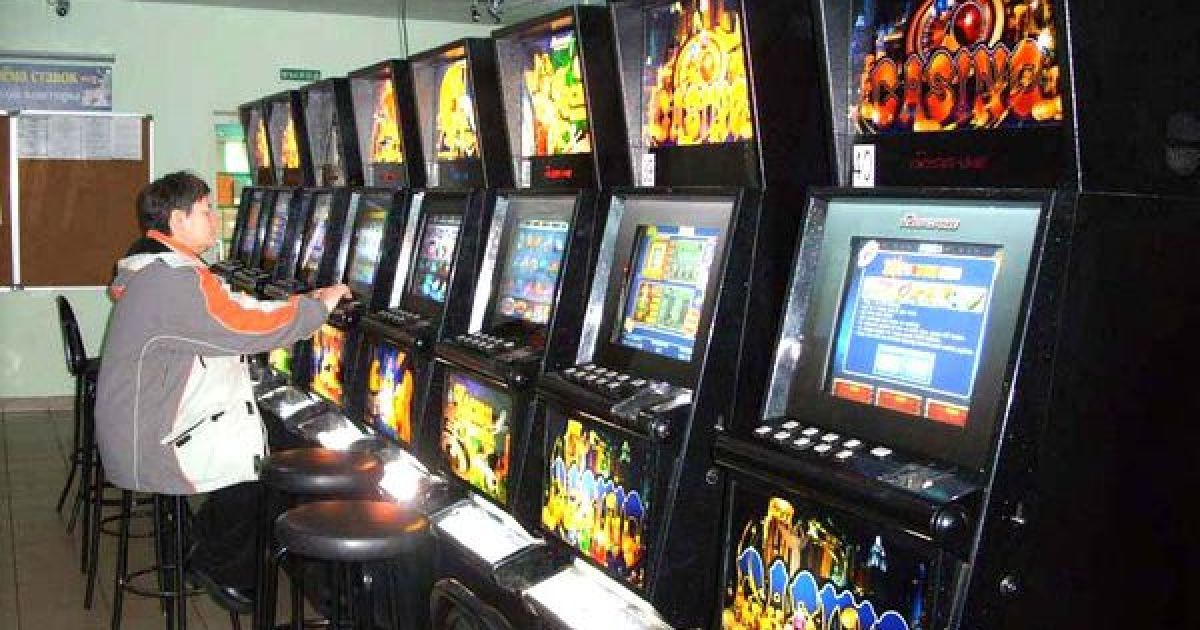
Understanding the psychology of risk and its impact on gambling behavior is crucial for both players and industry stakeholders. Recognizing the myriad psychological factors at play—ranging from cognitive biases to emotional states—can help gamblers make more informed decisions and promote responsible gaming practices. By fostering a greater awareness of these dynamics, individuals can enjoy gambling as a form of entertainment while minimizing the risks associated with excessive behavior.
For those looking to delve deeper into responsible gambling, several resources are available. Websites dedicated to gambling awareness provide valuable information, tools, and support for individuals seeking to navigate their gambling experiences. By utilizing these resources, players can cultivate a healthier relationship with gambling, ensuring that it remains a fun and enjoyable activity rather than a source of stress or financial strain.