Understanding the psychology behind gambling behavior in casinos
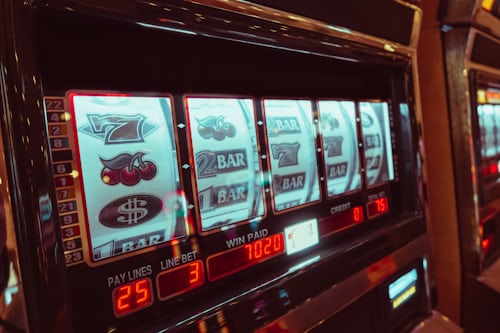
The attraction of gambling lies in its unique blend of excitement, thrill, and the possibility of winning substantial rewards. Many players are now discovering the newest online casinos, designed to stimulate the senses with bright lights, sounds of ringing slots, and the excitement of a cheering crowd. This environment creates a euphoric atmosphere that can lead individuals to engage in behavior they might otherwise avoid. Understanding this allure involves recognizing the psychological factors at play, such as the release of dopamine, which can make players feel a rush of excitement and lead them to pursue more gambling opportunities.

An important aspect of this attraction is the concept of near-misses, where players come close to winning but ultimately don’t. These occurrences can trigger feelings of hope and encourage players to keep betting, believing that their luck will eventually turn. This psychological phenomenon can lead to a cycle of behavior that keeps gamblers returning to the tables, fueled by the notion that the next round might be the winning one. The anticipation itself becomes addictive, drawing people into a loop of endless possibilities.
Moreover, social aspects also play a critical role in gambling behavior. Many individuals enjoy the social experience of being in a casino, interacting with others, and sharing their successes and losses. The communal environment fosters a sense of belonging and shared experience, making it more likely for individuals to gamble beyond their means, thus complicating their relationship with money and risk. This combination of social interaction and individual thrill enhances the overall gambling experience, further encouraging participation.
Cognitive biases significantly influence gambling behavior, leading players to make irrational decisions. One prevalent bias is the illusion of control, where individuals believe they have influence over the outcome of games that are fundamentally based on chance, such as slot machines or roulette. This belief can prompt players to employ strategies or rituals, hoping that these will yield better results, even when outcomes are purely random. The persistence of this illusion can lead to repeated gambling despite negative outcomes.
Another common cognitive bias is the gambler’s fallacy, where individuals assume that past events will influence future probabilities. For instance, a player who experiences several losses in a row may believe they are “due” for a win, leading them to gamble more aggressively. This fallacy can encourage players to chase their losses, which can result in substantial financial setbacks and escalating addictive behavior. Recognizing these cognitive traps is crucial for understanding the psychology behind gambling and developing responsible gaming strategies.
Furthermore, the framing effect impacts decision-making in gambling. The way options are presented can alter how individuals perceive risk and reward. For example, a game labeled as having a high payout might attract more players, even if the odds are still unfavorable. This manipulation of perceptions can keep gamblers engaged longer than intended, leading to increased spending. Understanding these cognitive biases is essential for both players and operators, as they can help identify potential pitfalls in gambling behavior.
Emotions play a crucial role in gambling behavior, often driving individuals to seek the thrill of wagering. Many gamblers utilize gambling as a way to escape from stress or negative emotions, which can lead to a cycle of dependency. The adrenaline rush that accompanies betting can temporarily alleviate feelings of anxiety or depression, reinforcing the desire to gamble despite negative consequences. This emotional connection to gambling can transform it into a coping mechanism, obscuring the line between entertainment and harmful behavior.
Behaviorally, many gamblers exhibit patterns that can indicate problematic habits. For instance, impulsivity is a common trait among individuals who gamble excessively. This impulsiveness can lead to hasty decisions, often resulting in significant losses. People may gamble not only when they are happy but also when they are feeling down or anxious, creating a volatile emotional landscape where gambling becomes both a reward and a punishment. Recognizing these patterns can be vital for individuals attempting to control their gambling habits.
Education and awareness of these emotional and behavioral drivers can empower gamblers to make more informed decisions. Support programs and resources are available to help individuals identify their triggers and develop healthier coping strategies. Understanding the psychological aspects of gambling can pave the way for healthier habits and more responsible gaming choices, allowing individuals to enjoy gambling without falling prey to its darker aspects.
The environment in which gambling occurs can profoundly affect player behavior. Casinos are strategically designed to create an immersive experience that encourages prolonged play. Elements such as the placement of games, the use of sound, and the visual appeal of the surroundings all serve to keep players engaged. For example, open layouts and attractive designs can make it difficult for individuals to gauge time, often leading them to gamble for extended periods without realizing it.
Furthermore, the accessibility of gambling facilities plays a significant role in behavior. With the rise of online casinos, gamblers can access their favorite games anytime and anywhere. This convenience can lead to increased impulsivity and reduced self-regulation, as the barriers to entry are virtually nonexistent. The design of online platforms often mimics the psychological triggers found in physical casinos, such as flashy graphics and enticing bonus offers, further blurring the lines between casual play and problematic gambling.
Awareness of these environmental factors can help gamblers recognize when they might be at risk. Taking breaks, setting limits, or engaging in self-exclusion strategies are essential methods for mitigating the impact of design on gambling behavior. By understanding how the environment influences their choices, players can make more conscious decisions about their gaming habits, potentially reducing the risk of developing gambling-related issues.
If you’re interested in exploring gambling responsibly, various resources can help you navigate your gaming journey safely. Numerous organizations provide support and education on gambling behavior, offering tools to recognize problematic habits and develop healthier approaches. Utilizing these resources not only enhances your gaming experience but also promotes responsible decision-making, ensuring you enjoy gambling without adverse effects.
Our website is dedicated to helping players find the best new online casinos tailored to their needs. We provide comprehensive reviews and expert analyses, focusing on safe, licensed platforms that prioritize player well-being. By assessing factors such as game selection, bonuses, and withdrawal speeds, we help you make informed choices, ensuring a positive gaming experience.
Whether you are new to the gambling scene or an experienced player, understanding the psychological aspects of gambling can enhance your experience. By utilizing available resources and being aware of your behavior, you can engage in gambling as a form of entertainment rather than a source of stress or financial hardship. With our guidance, you’re equipped to make the most of your time in the exciting world of casinos.